As a general contractor, you know that no two projects are the same. One day you might be managing a kitchen renovation, and the next, you’re building a custom home.
But one thing that often elevates a project is working with an interior designer. A strong partnership with a designer can lead to stunning results that keep clients happy and referring your services.
Some general contractors understand a little about interior design, but for the most part, general contractors want to manage the construction side of things and they don’t want to answer questions about whether a certain faucet will work with the paint color of the year.
In this article, you’ll learn about how you can effectively work with interior designers and make the most of working together.
Understanding the Role of an Interior Designer
Just like an electrician needs to understand the role of a drywaller, you need to understand the role of an interior designer.
Interior designers focus on creating functional and aesthetically pleasing spaces. They handle everything from selecting color palettes and materials to space planning and furniture layouts. While you, as the contractor, are focused on the execution of the project, maintaining structural integrity, managing the subcontractors, the designer ensures the final touches align with the client’s vision.
It’s essential to differentiate their role from that of an architect. While architects handle the structural design of a building, interior designers specialize in the details that make a house a home.
Understanding these distinctions is the first step in preventing anyone stepping on anyone else’s toes and keeping a healthy working relationship.
Why You Need an Interior Designer to Remodel a Bathroom (And How You Can Mess It Up)
As a contractor, you know your way around a bathroom remodel—plumbing, tiling, electrical. But let’s be real: just because youcanremodel a bathroom doesn’t mean you should design one.
Without an interior designer, here’s what could go wrong:
- Tile Disaster:That “cool” tile pattern you picked? It looks like an optical illusion… and not in a good way.
- Bad Layout Choices:You install a beautiful vanity—only to realize the bathroom door smacks it every time it opens. Oops.
- Lighting Mishaps:That single overhead light makes the space feel like a dungeon, and your client is now applying makeup in the dark.
- Mismatched Finishes:Chrome faucet, brass light fixtures, and black hardware? The client’s "modern look" just turned into a Pinterest fail.
An interior designer helps plan the aesthetics, layout, and function so you don’t waste time (or money) fixing design blunders. You handle the construction; they handle thepretty stuff—and together, you create a bathroom people actuallywantto use.
Moral of the story? Stick to what you do best, and let a designer save you from hearing,"Uh… this isn’t what I expected."
Bathroom Remodel With and Without an Interior Designer
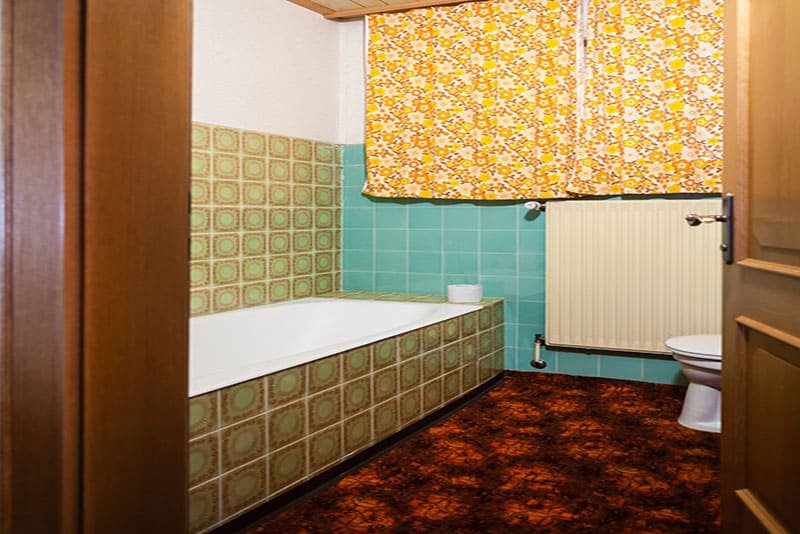
Let’s see if you can guess which bathroom remodel below had an interior designer helping with the project.
Bathroom #1:
Bathroom #2:
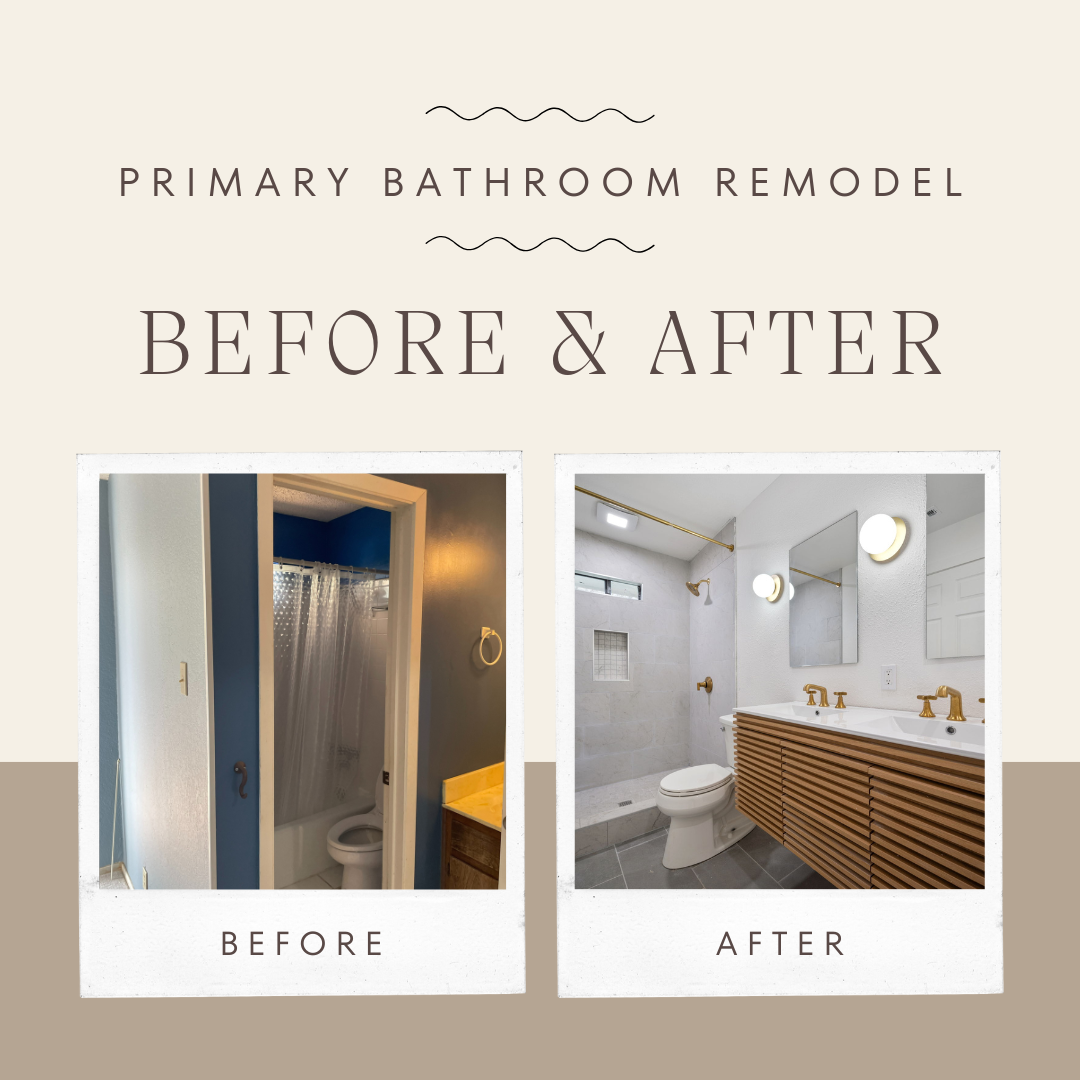
If you guessed image #1, then you really need to partner with an interior designer ASAP. Obviously bathroom #2 had an interior designer! Floating vanity, great lighting, nice tile flow, and consistent colors on the finishes.
General Contractor and Interior Designers: Establishing a Strong Working Relationship
The key to a successful project with an interior designer is clear communication and mutual respect. Start by introducing yourself early in the project, ideally during the planning phase. Share your expertise, but also take the time to understand the designer’s approach and priorities.
Set expectations upfront. This includes how often you’ll communicate, who will handle specific responsibilities, and how you’ll address changes or conflicts. When both parties are on the same page, the entire project runs more smoothly.
Working Together During the Planning Phase
One of the most critical stages of any project is the planning phase. This is where you and the interior designer can work together to identify challenges and solutions before the first nail is hammered.
Review design plans and blueprints as a team. Offer your insights into the feasibility of certain elements while respecting the designer’s vision. For example, if a material they’ve chosen is hard to source or impractical, suggest alternatives that achieve the same look.
Together, you can create a realistic timeline and budget that satisfies the client and keeps the project on track. Early collaboration avoids misunderstandings and sets the tone for the rest of the work.
How To Define Your Roles and Responsibilities
Nothing slows down a project faster than confusion about who’s responsible for what. Take the time to clearly define roles. For example:
- Who is responsible for sourcing materials?
- Who communicates with subcontractors about specific details?
- Who handles updates to the client?
By defining these roles early, you can avoid overlap, streamline the workflow, and ensure accountability. When everyone knows their part, the project moves forward efficiently.
How To Maintain Good Communication Throughout the Project
Good communication isn’t a one-and-done task—it’s an ongoing process. Use tools like project management software or shared calendars to keep everyone in the loop. Regular check-ins can help address progress, potential delays, or design adjustments.
When disagreements arise, whether it’s about materials, timelines, or unforeseen complications, approach them professionally. Focus on finding solutions rather than placing blame. The client will appreciate a team that works together seamlessly.
Respecting Each Other’s Expertise
You’re an expert in construction, and the designer is an expert in aesthetics. Respecting each other’s expertise is crucial for a successful partnership. If a designer’s vision isn’t feasible due to structural limitations, explain the constraints clearly and propose alternative solutions. Similarly, be open to their creative ideas—even if they challenge your usual methods.
This mutual respect not only ensures a better outcome but also builds trust, which is essential for future collaborations.
How To Manage Client Expectations
One of the trickiest parts of any project is managing client expectations. When working with an interior designer, it’s important to present a united front to the client. If there’s a disagreement about timelines, budgets, or changes, resolve it privately before addressing the client.
Be proactive about communicating potential issues. For example, if a specific material the designer selected will delay the project, let them know as soon as possible so you can both manage the client’s expectations together.
How General Contractors and Interior Designers Can Work On Future Projects
A successful collaboration with an interior designer can open doors for your business. Designers often recommend contractors they trust to their clients, which can lead to more projects. Likewise, when you’ve worked well with a designer, you can refer them to your own clients, creating a win-win situation.
Consider the long-term benefits of these partnerships. By building strong relationships with designers, you position yourself as a contractor who values teamwork and quality results—a reputation that will set you apart from competitors.
Working with an interior designer doesn’t just benefit your clients—it’s a strategic move for your business. When you prioritize collaboration, respect, and clear communication, you’ll create projects that stand out and build lasting partnerships that drive your success. The next time you’re approached to work with a designer, see it as an opportunity to grow your network and deliver your best work. After all, teamwork is what turns a good project into a great one.
Frequently Asked Questions (FAQ)
Do general contractors really need to work with interior designers?
Not always, but on the right projects, it makes a big difference. Designers help avoid layout mistakes, mismatched finishes, and client dissatisfaction. That usually leads to smoother jobs, fewer revisions, and happier clients who refer more work.
What’s the main difference between a contractor and an interior designer?
Contractors focus on execution—structure, scheduling, subs, and getting the job built right. Interior designers focus on how the space looks and feels—materials, layouts, colors, and usability. When both roles stay in their lane but collaborate, the project improves significantly.
When should a contractor bring in an interior designer?
Ideally during the planning phase. That’s when you can align on layout, materials, and feasibility before anything gets built. Bringing a designer in too late usually leads to changes, delays, or rework.
How can contractors avoid conflicts with interior designers?
Set expectations early. Define who handles materials, who talks to the client about design decisions, and how changes are managed. Most issues come from unclear roles, not from disagreements themselves.
Who should communicate with the client during the project?
It depends on the setup, but consistency matters more than anything. Some teams split it—contractor handles construction updates, designer handles design decisions. The key is presenting a unified front so the client doesn’t get mixed messages.
What are the biggest mistakes contractors make when working without a designer?
Layout issues, poor lighting decisions, mismatched finishes, and choices that look good individually but don’t work together. These mistakes don’t always show up immediately, but they’re usually what clients notice most at the end.
Can working with designers actually help contractors win more jobs?
Yes. Designers often refer contractors they trust, and projects tend to look better, which strengthens your portfolio. Over time, that leads to better clients, higher-value jobs, and more consistent work.