


Look, I get it. You’ve been building homes the same way for years, and suddenly everyone’s talking about smart this and smart that. Your clients are asking about devices and systems you’ve never heard of, and you’re wondering if this is just another fad that’ll fade away.
Here’s the truth: it’s not going anywhere.
If you’re not already thinking about smart home integration for general contractors, you risk being left behind faster than you can say:
“Alexa, turn on the lights.”
Smart home technology is no longer a luxury; it’s becoming as standard as electrical wiring or plumbing. Homeowners expect it now, and the contractors who can deliver it will win more projects and repeat business.
Smart Home Market Trends Every Contractor Should Know
According to Statista, the global smart home market is projected to hit $174 billion by 2025, growing at 9.55% annually through 2029.
Even more important for general contractors:
- 77.6% of homes will have smart home technology by 2025
- 92.5% adoption is expected by 2029
That means nearly every home you work on in the next few years will be expected to include some level of smart home integration.
Clients today often say things like: “I don’t want to live in a dumb house anymore.”
If that’s not a wake-up call for contractors, I don’t know what is. Today’s homeowners grew up with smartphones. They expect:
- Seamless connectivity
- Remote control from their phone
- Automation that adapts to their lifestyle
According to the National Association of Home Builders (NAHB), features that improve energy efficiency, security, and convenience are now standard expectations, not luxury add-ons.
Why Smart Home Integration Matters for Contractors
If you’re a general contractor and you’re not offering smart home integration, you’re leaving serious money and market share on the table. Homeowners today aren’t just buying square footage; they’re buying comfort, convenience, and technology that makes life easier.
The market numbers don’t lie:
- Global smart home market: $174 billion by 2025
- Household adoption: 77.6% by 2025 → 92.5% by 2029
- Home automation market: $90.75 billion in 2023 → $237.07 billion by 2032
That last number matters. It shows that this isn’t a short-term trend, it’s a long-term industry shift that’s growing faster than most construction segments. Contractors who get in now will be positioned to own this space for the next decade.
The other reason it matters: smart homes create long‑term client relationships. These systems need:
- Maintenance and updates
- Add‑ons as clients expand their systems
- Occasional troubleshooting
I had a client call me three months after finishing their renovation because they wanted to add automated blinds and expand their security system. That second project was pure profit because the infrastructure was already in place.
Unlike traditional construction, where the relationship ends after the final walkthrough, smart homes turn each project into an ongoing revenue stream, and the market data shows that stream will only get bigger.
The Smart Home Features Homeowners Actually Use
Forget the gimmicks. Focus on the smart home technologies for builders that clients use every single day:
1. Smart Climate Control
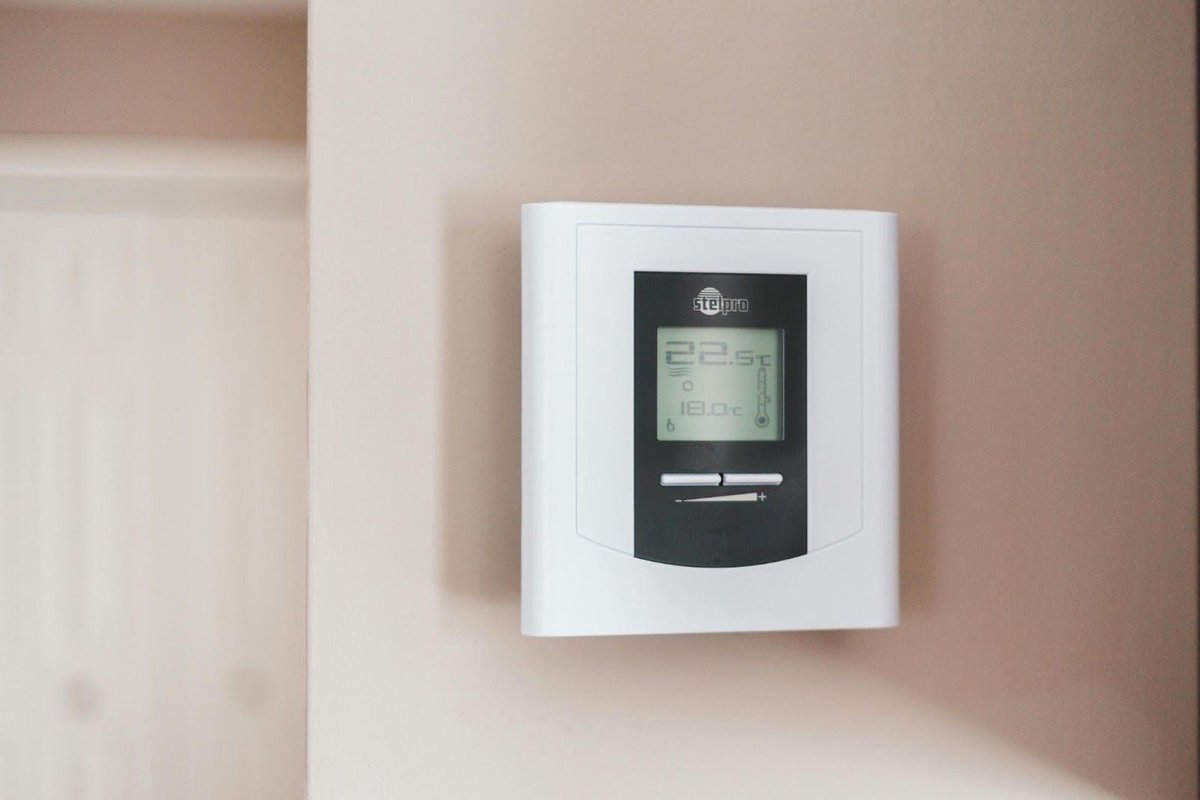
Smart thermostats have evolved far beyond simple timers.
Modern systems learn your clients’ schedules and adjust automatically, saving real money on energy bills.
I installed one in my own home last summer and cut my cooling costs by $100 in the first month. When you can show clients that comfort and savings go hand in hand, the technology practically sells itself.
Pro Tip: Highlight this with data, multi‑zone HVAC systems, and smart thermostats rank among the top energy‑efficient features homebuyers want, according to the NAHB.
2. Smart Lighting Systems That Adapt
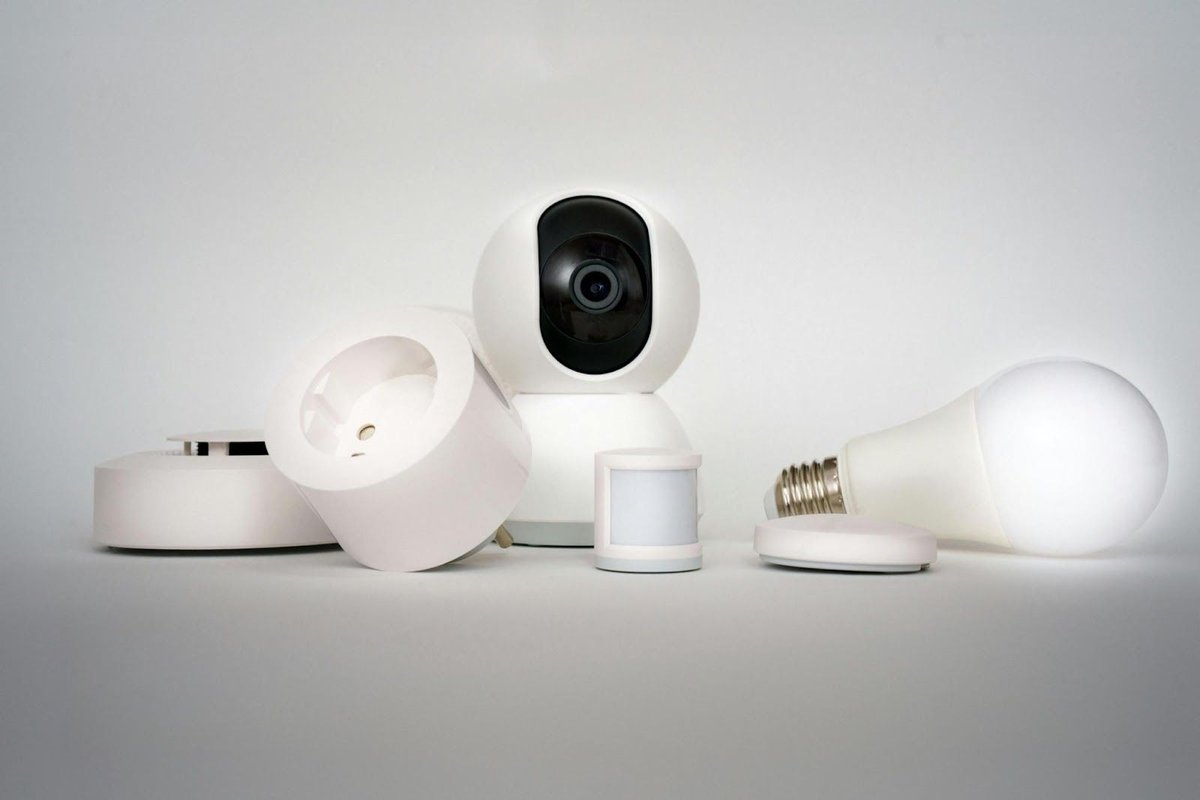
Smart lighting is no longer just “turning lights on from your phone.”
Clients now love dynamic lighting schedules that match their lifestyle:
- Morning: Gradual brightening to help them wake up
- Evening: Warm tones that signal it’s time to relax
- Motion Sensors: Smart enough to ignore the dog at 3 AM but light up the hallway for late‑night snacks
Industry research shows that smart lighting can cut energy use by up to 60%. Pairing comfort + cost savings is the ultimate selling point.
3. Security That Delivers Peace of Mind
Old‑school alarms are nothing compared to modern smart security systems.
Video doorbells and facial recognition cameras can differentiate family members from strangers, sending different alerts depending on who’s at the door.
One client told me that getting a friendly ping when their kids got home from school, instead of a generic “door opened” alert, was the best feature in the whole renovation. Security today isn’t just about locks; it’s about awareness and convenience.
4. Automated Windows and Blinds

These used to sound like a luxury, but in high‑end or energy‑efficient homes, they’re quickly becoming standard.
- Summer: Automatically close to block heat and reduce AC usage
- Winter: Open to let in natural warmth
- Weather‑Aware: Some systems even close before it rains
When homeowners see that energy efficiency and comfort can be automated, they start thinking of these upgrades as investments, not splurges.
Pricing Smart Home Projects Correctly
Most homeowners will spend 5–10% of their total project budget on smart features.
Based on current market data, here's what you're looking at:
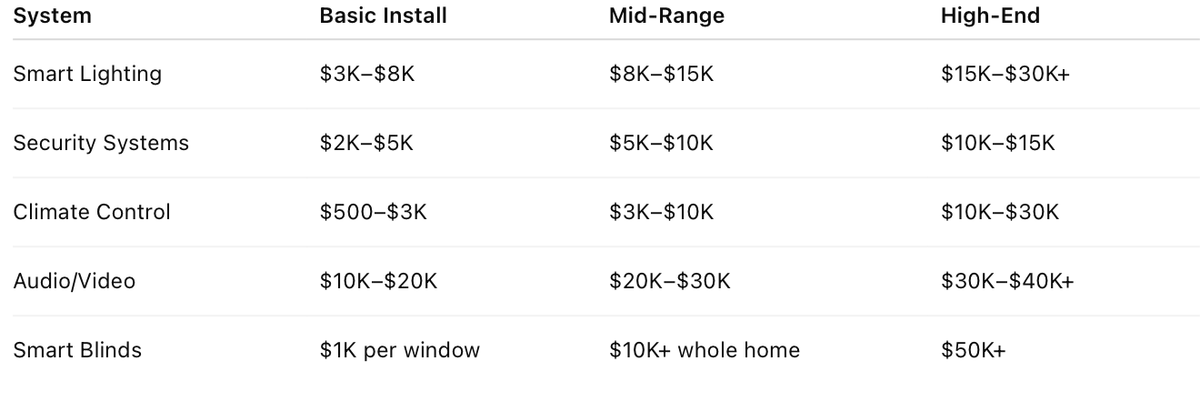
Key strategies for contractors:
- Start the conversation early. Wiring and networking must be planned before walls are closed.
- Offer scalable packages. Start with a base system and offer add‑ons for future upgrades.
- Highlight ROI. Use energy savings and security benefits to justify the cost.
Clients who understand the long-term value of smart homes are more likely to approve upgrades during construction.
Laying the Right Infrastructure
Many contractors make mistakes behind the walls that cost them later. Smart home devices need both power and reliable connectivity.
Here’s how to future-proof every project:
- Extra outlets and ethernet runs → Don’t rely solely on WiFi
- Conduit for future wiring → Cheap insurance for upgrades
- Electrical panel capacity → Many devices need dedicated circuits
I spoke to a contractor who always runs extra conduit, even if unused initially. Months later, when the client wants an upgrade, no walls need to be torn open, and that earns serious trust.
Partnering With Smart Home Specialists
You can’t (and shouldn’t) do everything alone. Smart home technology changes too fast for any one person to keep up with everything. You need to build relationships with specialists who live and breathe this stuff.
Find a good low-voltage contractor who understands smart home systems. Not just someone who can run cable, but someone who understands how all these different systems work together. The best ones can design a system that grows with your client's needs.
You also need a relationship with a good, smart home dealer. These are the people who stay current on all the latest products and can help you design systems that work well together. Don't try to piece together a system from random products you found online. That's a recipe for headaches.
The Custom Electronic Design & Installation Association (CEDIA) is the leading global organization for smart home professionals. They offer training, certification, and resources that can help you build the knowledge and partnerships you need to succeed in this market.
Mastering Smart Home Integration Challenges
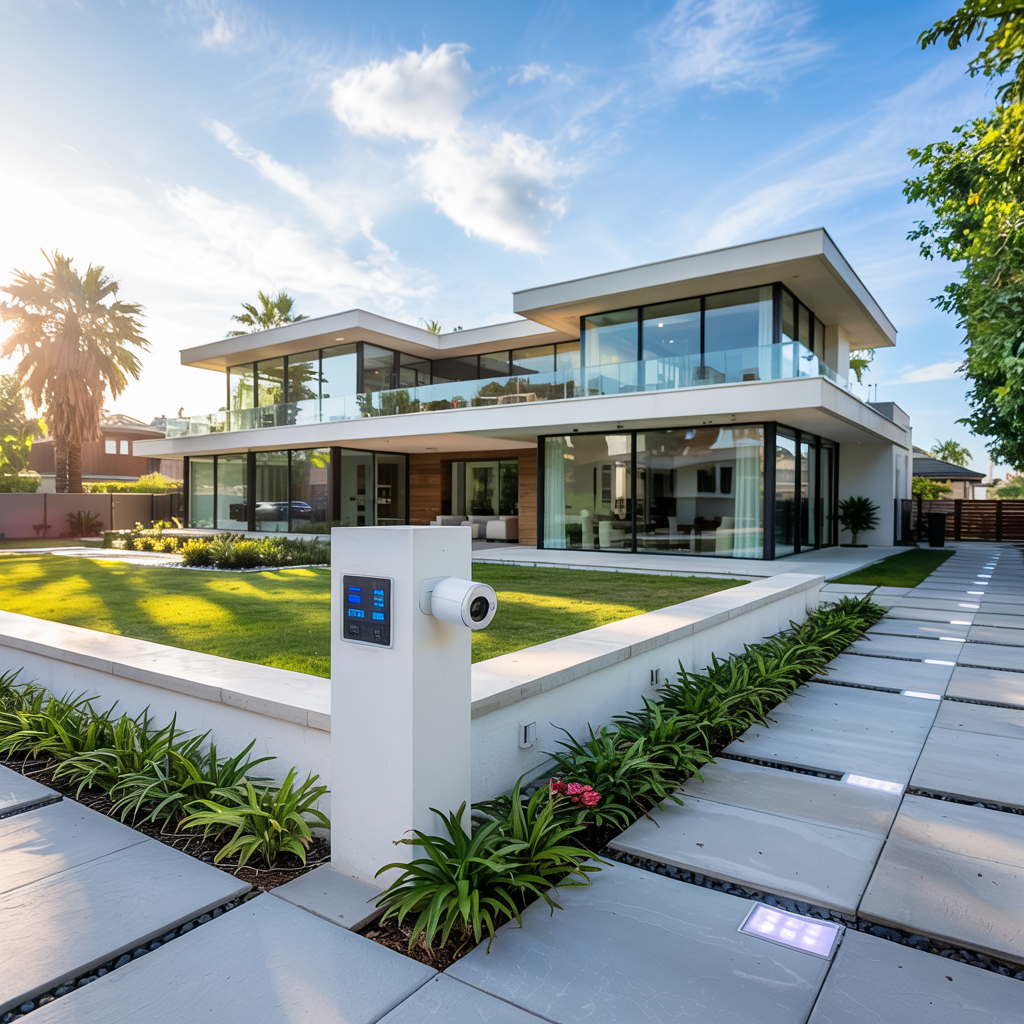
One of the biggest hurdles is making sure different systems talk to each other.
- Lights, locks, security, and HVAC often come from different brands
- Matter protocol has improved interoperability but planning is key
- Central control systems prevent the “five apps for five devices” frustration
We learned this the hard way on a project where everything worked individually, but nothing unified. We had to retrofit a central hub, an expensive lesson that taught me to plan integration from day one.
What Clients Really Want
After doing dozens of smart home projects, we’ve learned what clients actually use versus what they think they want. They always get excited about the flashy stuff, but what they use every day is usually much simpler.
They want lights that turn on automatically when they come home at night. They want the house to be the right temperature when they wake up in the morning. They want to know if someone's at the door when they're not home. They want their music to follow them from room to room.
The fancy stuff like voice-controlled everything and automated coffee makers sounds cool, but most people don't use it after the novelty wears off. Focus on the basics that make daily life easier, and add the bells and whistles for clients who specifically ask for them.
Why Renovations Are a Smart Home Goldmine
If you handle renovation projects, you’re in a prime position to upsell smart features.
- Walls are already open for wiring and networking
- Electrical and plumbing updates align perfectly with automation needs
- Renovation clients typically have higher disposable income and are motivated by convenience
These projects often produce higher-margin smart upgrades than new construction, where every dollar is tightly budgeted.
Training and Certification Opportunities
The smart home industry offers numerous training and certification programs for contractors looking to expand their expertise. CEDIA provides comprehensive education programs, including in-person training sessions that offer hands-on experience with smart home technologies.
ETA International offers accredited smart home certifications covering alarm security, network security, and residential electronics integration. These certifications can help establish credibility with clients and ensure you're up to date on the latest technologies and best practices.
Many manufacturers also offer dealer training programs. Control4, for example, provides award-winning hands-on and online training curriculum designed to arm contractors with technical knowledge of their systems.
The Future of Smart Home Integration
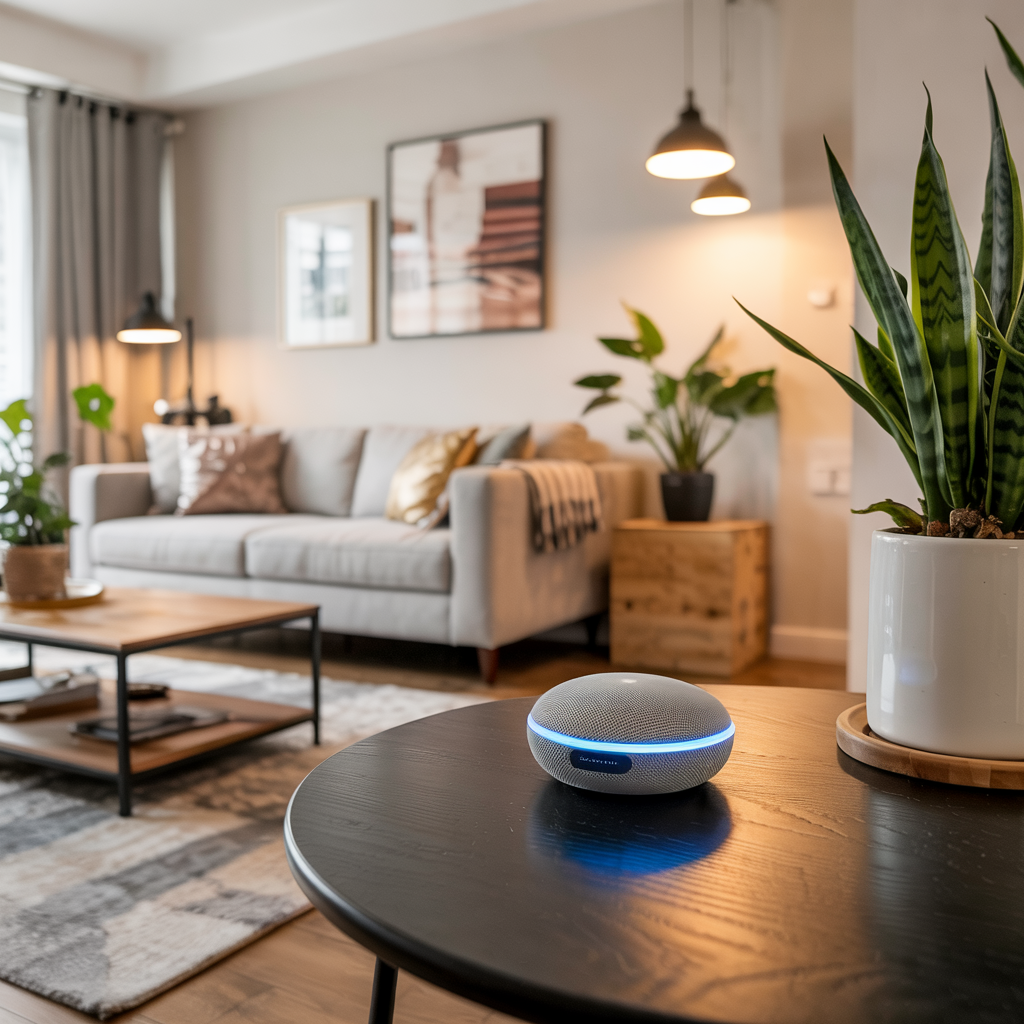
The technology is only going to get better and more affordable. What costs $50,000 today will probably cost $30,000 in a few years. But that doesn't mean you should wait. Your competitors aren't waiting, and neither are your clients' expectations.
Market forecasts show the smart home automation market is expected to reach $1,149 billion by 2034, with a compound annual growth rate of 27.11%. This represents one of the fastest-growing segments in the construction industry.
The contractors who get into smart home integration now are going to have a huge advantage over those who wait. You'll have the experience, the relationships, and the reputation when this becomes completely mainstream.
Start small if you need to. Pick one or two smart home technologies and get really good at installing and supporting them. Build your knowledge and your network of partners. Then expand from there.
Bottom Line: Get Smart or Get Left Behind
Smart home integration isn’t optional anymore.
- Homeowners expect it
- The market is booming
- The revenue potential is massive
Start small, master one or two technologies, offer them confidently, and expand from there. Contractors who embrace this now will lead the market. Those who wait will be chasing it.
Frequently Asked Questions (FAQ)
What is smart home integration for general contractors?
Smart home integration for general contractors means planning and installing connected systems like lighting, HVAC, security, and automation so they work together seamlessly. It’s becoming a standard part of modern construction, not just an upgrade.
Do homeowners expect smart home features in new builds and remodels?
Yes. Most homeowners now expect some level of smart home technology, especially features related to security, energy efficiency, and convenience. It’s quickly becoming a baseline expectation rather than a luxury.
What smart home features should contractors prioritize?
Contractors should focus on practical features homeowners actually use every day, like smart thermostats, lighting automation, security systems, and reliable internet infrastructure. These deliver the most value and are easiest to justify.
How much do smart home features add to a project cost?
Smart home features typically add around 5–10% to the total project cost. The exact amount depends on the level of automation, the number of systems, and how integrated the setup is.
Why should contractors start offering smart home integration now?
Contractors should start now because demand is growing fast, and early adopters will have a competitive advantage. Offering smart home solutions can increase project value, create repeat business, and position you as a modern, forward-thinking builder.
Do contractors need to install smart home systems themselves?
Not necessarily. Many contractors partner with low-voltage specialists or smart home integrators. The key is understanding the basics, planning the infrastructure correctly, and offering the service as part of your overall project.
Ready to win more jobs with less manual work? Try Handoff free →


